For Bangladesh, the World Cup campaign has ended. For the BCB, the focus appears to remain on recalibrating its messaging as it navigates the aftermath of that setback.
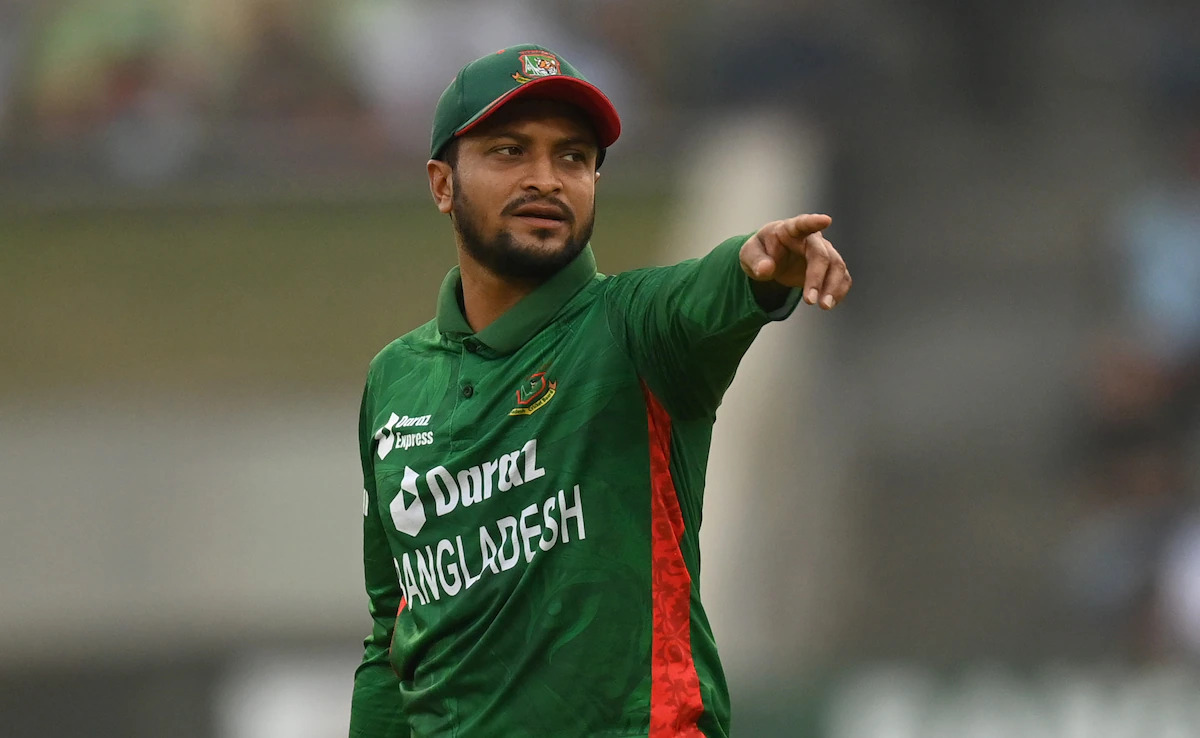
Shakib Al Hasan gets nod for Bangladesh return after T20 World Cup 2026 row
Board discusses Shakib Al Hasan's return during extended discussion as Bangladesh's T20 World Cup exclusion remains a concern.
View: 1106
Published - 25 Jan 2026, 15:12 IST
Updated - 25 Jan 2026, 15:12 IST
6 Min Read
78
0
It was not surprising that the Bangladesh Cricket Board (BCB) reverted to a familiar stance, “we want Shakib Al Hasan in the national team,” at a time when it is under increasing pressure for failing to persuade the government about the consequences of missing the ICC Men’s T20 World Cup.
What followed, however, did little to improve the credibility of that position. The issue arose during a 40-minute news conference following a nearly eight-hour board meeting at the Sher-e-Bangla National Cricket Stadium on Saturday; yet, the discussion lacked apparent direction or a precise explanation.
“Why are we bringing Shakib’s issue out of nowhere?” a journalist asked BCB media committee chairman Amzad Hossain, who then gained attention for his passionate and incoherent handling of the Q&A session.
Since the International Cricket Council decided to replace Bangladesh with Scotland in the 2018 ICC T20 World Cup, the spotlight has been squarely on the board meeting. Against this backdrop, the idea of reviving Shakib’s name developed, allegedly with the intention of shifting attention.
Former BCB president Nazmul Hossain has frequently publicly targeted Shakib for criticism, presumably to establish control over one of the game’s most prominent all-rounders, though the practical impact of such remarks was often limited.
A cricketer, speaking on the condition of anonymity, previously told that Nazmul would routinely follow up on such comments by calling players and telling them not to take them personally, explaining that they were intended to manage media pressure rather than reflect true beliefs. According to the player, Shakib was fully aware of this pattern and used it throughout his career, acknowledging the mostly theatrical character of such utterances.
Faruque Ahmed, Nazmul’s successor, has consistently expressed his desire to see Shakib Al Hasan return to the national team.
However, he continuously maintained that the final decision lay with the government, which finally denied Shakib’s return owing to his political identification and affiliation with the dissolved Awami League administration.
Despite this, such statements continued to serve their immediate objective of sparking public debate.
Shakib remained unconvinced. Speaking earlier to, he claimed he wasn’t sure whether the board’s fresh interest was real or motivated by other factors, implying that it was more about his profile than a true reintegration strategy.
“I cannot say whether they are really keen or not because I cannot read other people’s minds,” he said during Faruque Ahmed’s tenure, when asked if the renewed attention felt more symbolic than substantive.
On Saturday (January 24), Amzad Hossain reiterated that the board was serious about bringing Shakib back, citing the player’s own desire to conclude his career in Bangladesh.
“We had an agenda item about the 27 contracted players. During that discussion, a director proposed Shakib’s name. He said Shakib is interested and that he has spoken to him,” Amzad told reporters after the meeting.
“From our side, if Shakib plays, he must meet fitness and selection requirements. The legal issues are for the government. But from the board’s side, we want Shakib. That is the main point. The board has unanimously decided that, based on Shakib Al Hasan’s availability, fitness and accessibility, and whether he can be present at the venue, the board and the selection panel will consider him for future selection. If Shakib participates in other global tournaments, the board will provide NOCs as required,” he added.
What remained unaddressed was whether the BCB had received, or even formally sought, government clearance before making its intentions public, a factor that had previously prevented Shakib’s return following the July movement that led to the removal of Awami League leaders from power.
“The president (Aminul Islam) will talk to the government about the legal matter,” said Asif Akbar, who was seated alongside the media committee chairman.
The announcement prompted questions, with many interpreting it as another speculative declaration by board officials at a time when criticism was intensifying after Bangladesh’s absence from the World Cup.
The political context surrounding Shakib’s situation has also drawn attention. With general elections scheduled for February 12 and the Bangladesh Nationalist Party positioned as the leading contender, there is increasing speculation that a change in government could facilitate Shakib’s return, given the party’s stated stance on keeping sports and politics separate.
Several observers believe that, should Shakib return under a new administration, the BCB may seek to assert that efforts to reintegrate him had been ongoing well before conditions aligned.
Whether invoking Shakib’s name will assist the board in restoring credibility after missing out on the World Cup remains uncertain. For now, the BCB has confirmed it will not pursue legal recourse against the ICC’s decision.
“We would not go for arbitration,” Amzad said when asked about the possibility of legal action.

Get CricketMood News First
Add Us as Your Trusted Source
Add as Preferred Source
Download Our App
For a better experience: Download the CricketMood app from the ios and Google Play Store
Get every cricket updates! Follow Us:


78 Likes
0 Comments